WATER ACCESS, SANITATION,
AND HYGIENE (WASH)
HEALTH THROUGH CLEAN WATER AND SANITATION
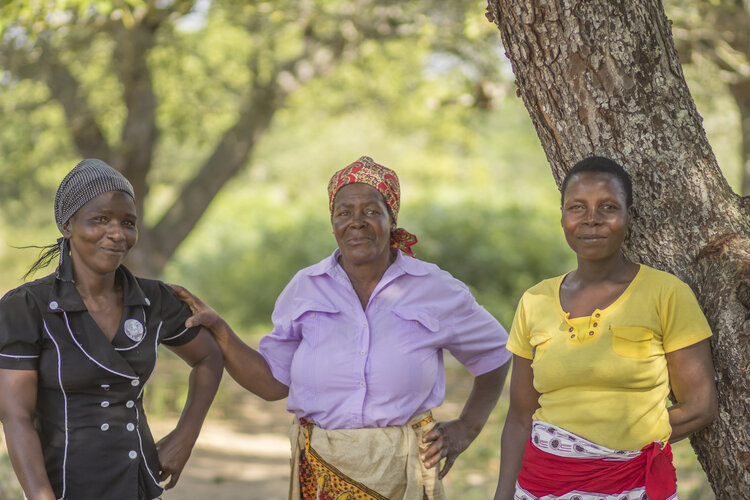
Waterborne illnesses are common concerns in rural Mozambique, an area where many people are struggling with poverty.
One woman, Helena, explained that without good sanitation practices, the water often made her and her family sick. When every day is a challenge, practices that keep families healthy can get sidelined.
Why clean water and sanitation?
More than 2 billion people around the world do not have access to clean and safe water at home. As a result, one of the leading causes of death in low-income communities is illness due to waterborne disease, lack of sanitation, and poor hygiene practices. In some places, children and women walk hours each day to gather water instead of going to school or spending time on other productive activities.
Around the world,
-
Water scarcity and inadequate sanitation can also negatively impact food security
-
Approximately 4 billion people—roughly half to two-thirds of the world’s population—experience severe or extreme water scarcity for at least one month each year.
-
In 2019, about 69% of diarrheal deaths were attributed to unsafe water, sanitation, and hygiene practices.
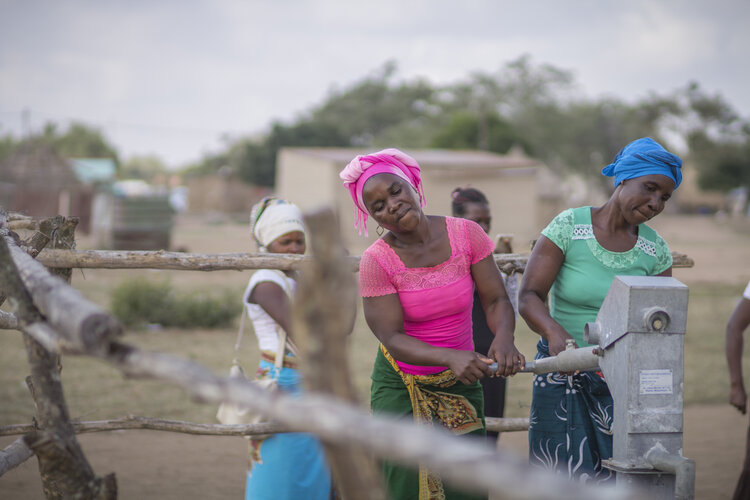
Since the local Nazarene churches have been implementing WASH programs and trainings, communities in rural Mozambique have been able to live with clean water and good health alike.
“The fact that I have Jesus in my life—I will never get thirsty,” she says. “Also, I drink water from this source and then my health improves because I am drinking clean water. So, I have life.”
How do WASH programs make a difference?
Nazarene Compassionate Ministries partners with local churches to provide communities with safe water through the implementation of a comprehensive WASH program that includes water supply, sanitation, and hygiene promotion.
WASH changes lives through:
- Safe water provided through wells, cisterns, and filtration technologies
- Communities mobilized by resources and education provided by local Nazarene churches
- Sanitation resources, like latrine covers and washing stations
- Community trainings in safe sanitation and hygiene practices
Story of Impact
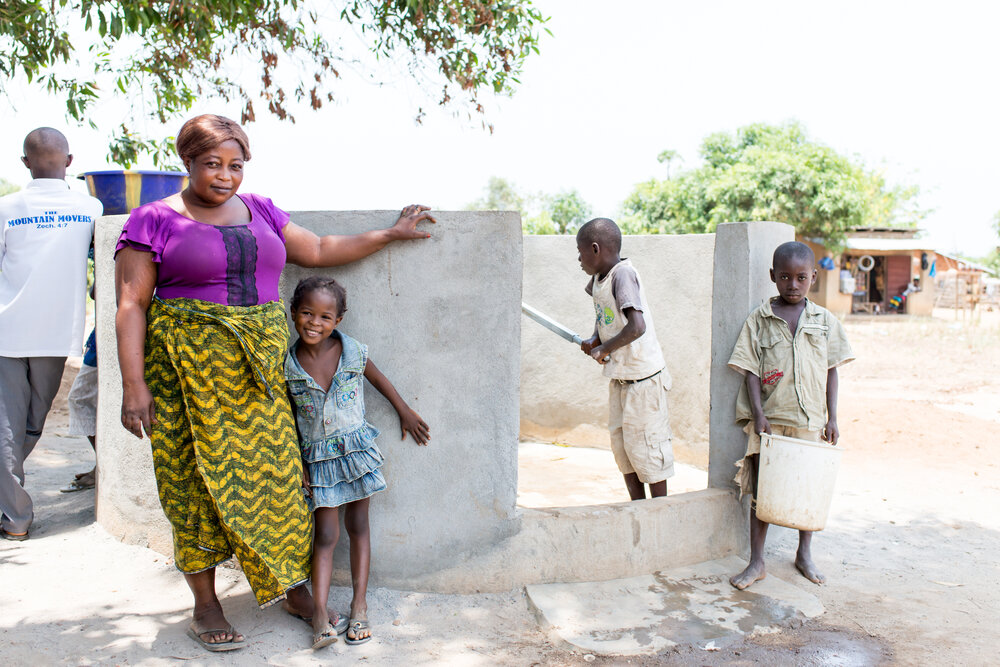
Zainabu lives in a Sierra Leone community called Monkey Bush, where the local Nazarene Church installed a borehole well in 2016. She walked four to five times a day to collect dirty water that made her six children sick. By the end of the day, she would have spent three hours walking back and forth. When the Nazarene church in Monkey Bush drilled a borehole well through an NCM WASH project, it provided families like Zainabu’s with clean, safe water.
“The difference is so much,” she says. “Now, water is constant. Before, the distance brought suffering to walk so far carrying water.”
You can make a difference.
You can help provide clean water and health to those with no other option. Give now to support water, sanitation, and hygiene projects through Nazarene Compassionate Ministries.